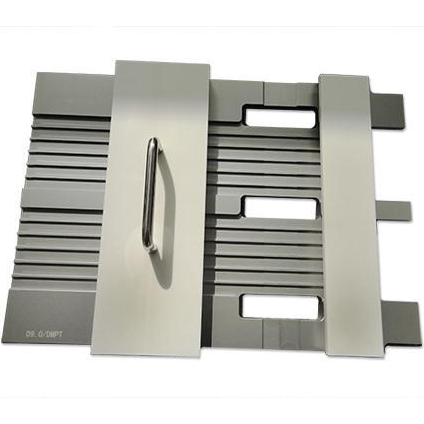
chipping
Chipping is a versatile and widely used process in both industrial and recreational contexts, referring to the act of breaking, cutting, or shaping materials into smaller fragments or chips. Whether applied in woodworking, landscaping, construction, golf, or manufacturing, chipping serves as a foundational technique that enables efficiency, precision, and material transformation. At its core, chipping involves the controlled removal or reduction of material to achieve a desired size, shape, or surface finish, making it an indispensable operation across numerous industries. In woodworking and landscaping, chipping refers to the mechanical process of reducing branches, logs, and organic debris into small wood chips using a wood chipper machine. These machines are engineered with powerful rotating blades or drum mechanisms that feed raw material through an intake chute and discharge uniform chips at high speed. The resulting wood chips are widely used as mulch, biomass fuel, compost material, and ground cover, contributing to sustainable waste management and environmental conservation. In the construction and mining sectors, chipping describes the process of breaking apart concrete, stone, or rock surfaces using pneumatic or electric chipping hammers and chisels. This technique is essential for demolition work, surface preparation, and the removal of unwanted material layers. Precision chipping allows workers to expose underlying structures, repair damaged surfaces, and prepare substrates for new coatings or installations. In the realm of golf, chipping is a short-game technique where players use a lofted club to lift the ball over a short distance and land it softly near the hole. Mastering chipping requires a combination of club selection, stance adjustment, and controlled swing mechanics. From a technological standpoint, modern chipping equipment integrates advanced motor systems, safety mechanisms, and ergonomic designs to maximize output while minimizing operator fatigue and risk. The broad applicability of chipping across industries underscores its importance as both a practical skill and a mechanical process that drives productivity and precision in everyday operations.

 EN
EN