tooling design and manufacturing
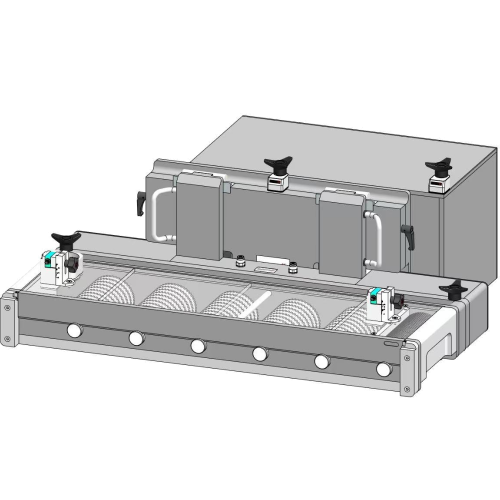
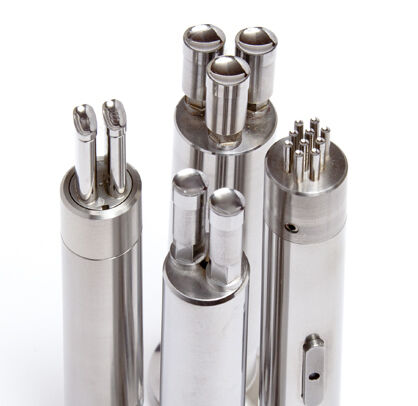
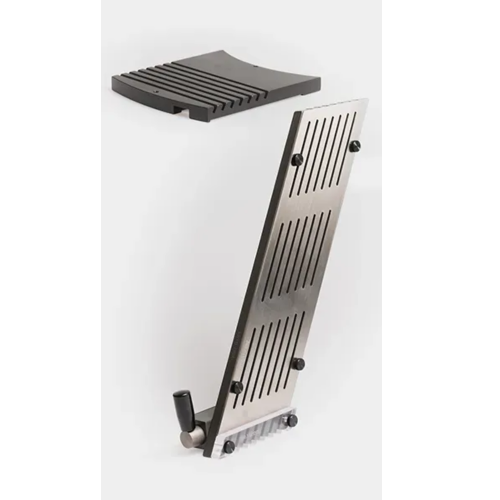
Tooling design and manufacturing sits at the heart of modern industrial production. It refers to the complete process of engineering, prototyping, and producing the tools, dies, molds, jigs, and fixtures that make mass production possible. Without precise tooling design and manufacturing, factories could not consistently produce parts that meet tight dimensional tolerances, surface finish requirements, or structural integrity standards. The discipline draws on mechanical engineering, materials science, computer-aided design, and advanced machining to deliver tools that perform reliably across thousands or even millions of production cycles. At its core, tooling design and manufacturing begins with a thorough analysis of the end product. Engineers study part geometry, material properties, production volume targets, and quality benchmarks before selecting the appropriate tooling strategy. This upfront engineering work determines whether a stamping die, injection mold, casting tool, or composite layup fixture is the right solution. Once the concept is validated, designers use CAD and CAM software to model every component of the tool, simulate stress and thermal behavior, and generate the machining paths that CNC equipment will follow. Modern tooling design and manufacturing leverages technologies such as five-axis CNC machining, electrical discharge machining, high-speed milling, and additive manufacturing for rapid prototyping. These capabilities allow toolmakers to achieve micron-level accuracy on complex three-dimensional surfaces. Hard coatings, heat treatment, and surface finishing processes extend tool life and reduce downtime on the production floor. Industries that depend on tooling design and manufacturing include automotive, aerospace, consumer electronics, medical devices, packaging, and industrial equipment. In automotive manufacturing alone, a single vehicle platform may require hundreds of stamping dies and injection molds, each engineered to exacting standards. Aerospace applications demand tooling that can hold tolerances measured in thousandths of an inch while withstanding the stresses of composite layup or precision machining. Medical device manufacturers rely on tooling design and manufacturing to produce components that meet strict regulatory requirements for dimensional accuracy and surface cleanliness. The scope of tooling design and manufacturing continues to expand as digital technologies mature. Simulation-driven design reduces trial-and-error iterations, cutting lead times and development costs. Smart tooling embedded with sensors can monitor wear in real time, enabling predictive maintenance strategies that keep production lines running at peak efficiency. As global competition intensifies, investment in high-quality tooling design and manufacturing has become a strategic priority for manufacturers seeking to improve yield, reduce scrap, and accelerate time to market.

 EN
EN