
 EN
EN



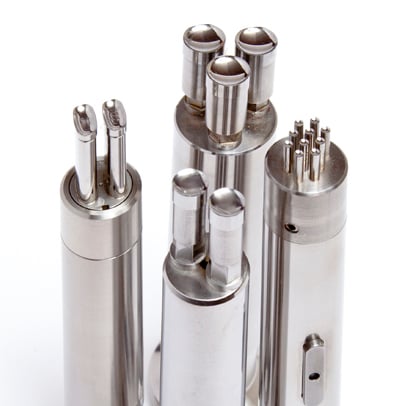
In high-volume manufacturing, the relationship between press tooling design and production output is direct, measurable, and often underestimated. Every decision made during the design phase of press tooling — from material selection to die geometry — carries downstream consequences that affect how many quality parts a facility can produce per shift. When press tooling is designed with output efficiency in mind, manufacturers gain a competitive advantage that compounds over time.
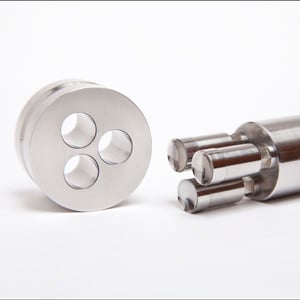
Understanding how press tooling design translates into real production results requires examining several interconnected factors: die configuration, material flow, clearance tolerances, and maintenance accessibility. Each of these elements influences how consistently press tooling performs across long production runs. This article breaks down the key design dimensions that determine whether your press tooling supports or restricts your output goals.
Die Configuration and Its Role in Output Rate
Progressive vs. Single-Stage Press Tooling
The configuration of press tooling is one of the most consequential design decisions a toolmaker can make. Progressive press tooling allows multiple operations — blanking, forming, piercing, and trimming — to occur within a single stroke cycle. This dramatically increases the number of finished parts produced per minute compared to single-stage press tooling. For high-volume production environments, progressive press tooling is almost always the preferred approach because it eliminates the need to transfer parts between separate stations.
Single-stage press tooling, while simpler and less costly upfront, requires more manual handling between operations. This introduces bottlenecks and increases cycle time per part. When production volumes are moderate or when part geometry is too complex for progressive press tooling, compound die press tooling can offer a balanced compromise. The configuration decision directly defines the ceiling on how much output press tooling can realistically deliver.
Strip Layout Efficiency in Press Tooling
Within progressive press tooling, the strip layout determines how raw material is consumed and how many parts can be extracted per linear foot of coil stock. An optimized strip layout in press tooling minimizes material waste while maintaining structural integrity across the strip during feeding. Poor strip layout forces press tooling to operate at reduced speeds to prevent strip buckling or misfeeds, directly cutting into production output. Experienced press tooling engineers invest significant time in strip layout simulation before cutting any steel.
Clearance Tolerances and Part Quality Consistency
How Punch-to-Die Clearance Affects Press Tooling Performance
Clearance between the punch and die in press tooling is one of the most technically demanding parameters to set correctly. If press tooling clearance is too tight, excessive burring and tool wear accelerate rapidly, leading to unplanned downtime for press tooling maintenance and rework. If press tooling clearance is too wide, part dimensions become inconsistent, and secondary operations may be required to meet tolerances. Either condition reduces effective production output because press tooling cannot run at full speed without generating rejects.
The correct clearance for press tooling is a function of material type, material thickness, and the required edge quality on the finished part. For harder materials like high-strength steel, press tooling typically requires tighter clearance and harder tool steel grades to maintain long-run consistency. Properly calibrated press tooling clearances allow the tool to run at rated stroke speeds without sacrificing dimensional accuracy, which is the foundation of sustainable high-output production.
Surface Treatment and Wear Resistance in Press Tooling
Surface treatments applied to press tooling components — such as titanium nitride coating or through-hardening — significantly extend the wear life of the tool. Longer-wearing press tooling means fewer scheduled maintenance interventions and fewer unplanned stoppages. When press tooling surfaces resist galling and adhesion, material flows more predictably through the die, reducing the frequency of slug pulling and part defects. This translates directly into higher net output per production run.
Selecting appropriate coatings for press tooling requires matching the coating hardness and lubricity to the specific material being stamped. Press tooling used on abrasive materials like stainless steel benefits from harder coatings, while press tooling used on soft aluminum may prioritize anti-adhesion properties. Making the right surface treatment choice at the design stage prevents premature press tooling degradation in production.
Maintenance Accessibility and Uptime Impact
Designing Press Tooling for Fast Changeover
Production output is not only determined by how fast press tooling runs when it is in operation — it is equally shaped by how quickly press tooling can be set up, adjusted, and returned to service after maintenance. Press tooling that is designed with modular insert systems allows worn sections to be replaced without pulling and completely disassembling the entire tool. This reduces changeover time dramatically and keeps press tooling in production for longer continuous periods.
Press tooling designed for quick die change programs enables manufacturers to reduce setup time from hours to minutes. Standardized press tooling base plates, guided alignment systems, and pre-set die heights all contribute to faster transitions between runs. When press tooling supports rapid changeover, facilities can run smaller batch sizes without sacrificing overall output efficiency, which also improves scheduling flexibility.
Monitoring Features Built into Press Tooling
Modern press tooling increasingly incorporates sensing capabilities that allow operators to detect wear, misalignment, and abnormal loading conditions in real time. When press tooling is equipped with force monitoring or proximity sensors, production teams can intervene before a tool failure causes a significant run of defective parts. This proactive approach to press tooling management protects output quality and prevents the waste associated with large reject batches.
Integrating sensor technology into press tooling requires planning at the design stage, not as an afterthought. Sensor mounting features, cable routing channels, and data connection points must be designed into the press tooling structure before the tool is built. Retrofitting press tooling with monitoring hardware after the fact is costly and often impractical, which is why forward-thinking press tooling design consistently outperforms reactive maintenance approaches in production output metrics.
FAQ
What is the most important factor in press tooling design for high production output?
The single most impactful factor is die configuration. Progressive press tooling that performs multiple operations per stroke delivers the highest parts-per-minute rates. Combined with optimized strip layout and precise clearance settings, well-configured press tooling creates the conditions for sustained high output.
How often should press tooling be inspected during a production run?
Inspection frequency depends on material type, run volume, and press tooling complexity. As a general practice, press tooling should be inspected at regular stroke count intervals defined during the design validation phase. High-wear press tooling components such as punches and pilots typically require more frequent checks than structural elements.
Can press tooling design be modified after production has started?
Minor press tooling modifications such as clearance adjustments or insert replacements can often be made during scheduled maintenance windows. However, significant press tooling design changes — such as altering strip layout or reconfiguring station sequence — typically require pulling the tool and returning it to the toolroom. Planning press tooling design thoroughly before production begins is always more cost-effective than making changes mid-run.